Separate target, tolerance and acceptance
| Field | Example question |
|---|---|
| Target | Which nominal CCT or chromaticity reference is intended? |
| Tolerance | What colour-difference definition and limit does the supplier state? |
| Scope | Does it apply to a selected configuration, batch or delivered group? |
| Conditions | At what operating and measurement conditions is it evaluated? |
| Acceptance | Are numerical data, visual comparison or both required? |
A claim such as “3 SDCM” needs its target, product scope and conditions. Do not infer it from a general “premium” description. This article assigns no unverified tolerance to BEXLIGHTING products.
Where consistency is most visible
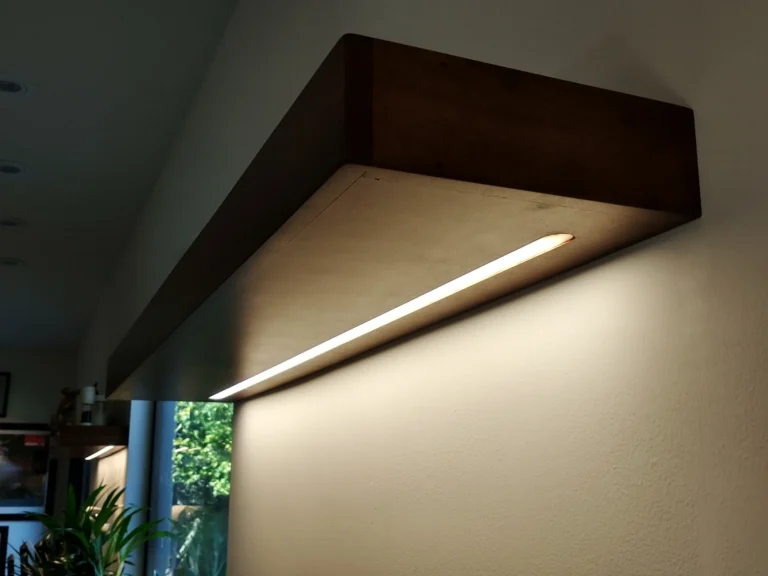
Mark groups that are seen together: adjacent shelf lines, a continuous recess crossing several cabinets, or a display wall. A replacement viewed directly beside retained strips may need closer coordination than a light in a separate room.
The diffuser and finish also belong in the visual review. Changing them can change the observed appearance even when the LED reference is unchanged.
What to keep for replacements
Retain the selected configuration, order/batch reference where supplied, and an identified reference assembly. Ask how later replacements will be compared. “Same 3000K” does not mean that every source with that label will be indistinguishable.
Is one SDCM always invisible? Do not promise a universal visual threshold for every observer and installation.
Does tighter consistency mean higher CRI? No. Colour consistency and colour rendering describe different properties.