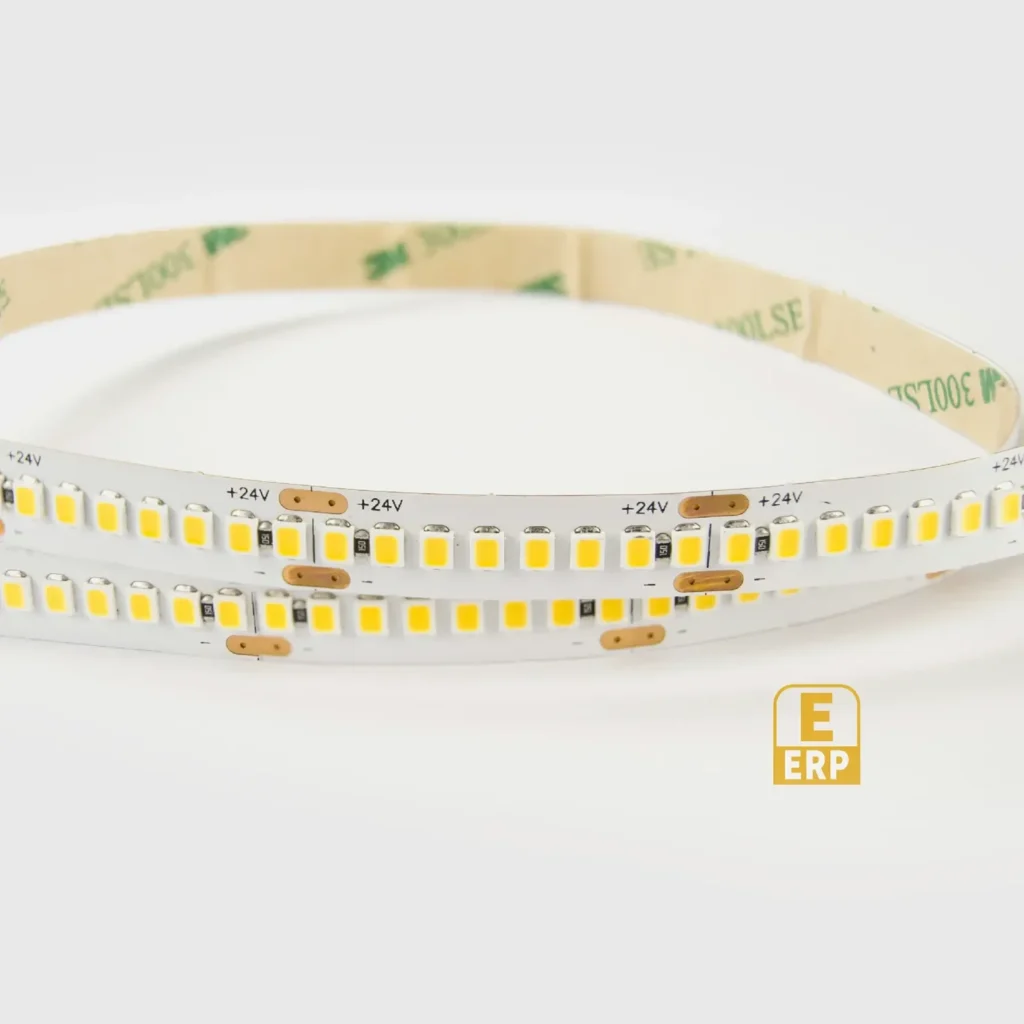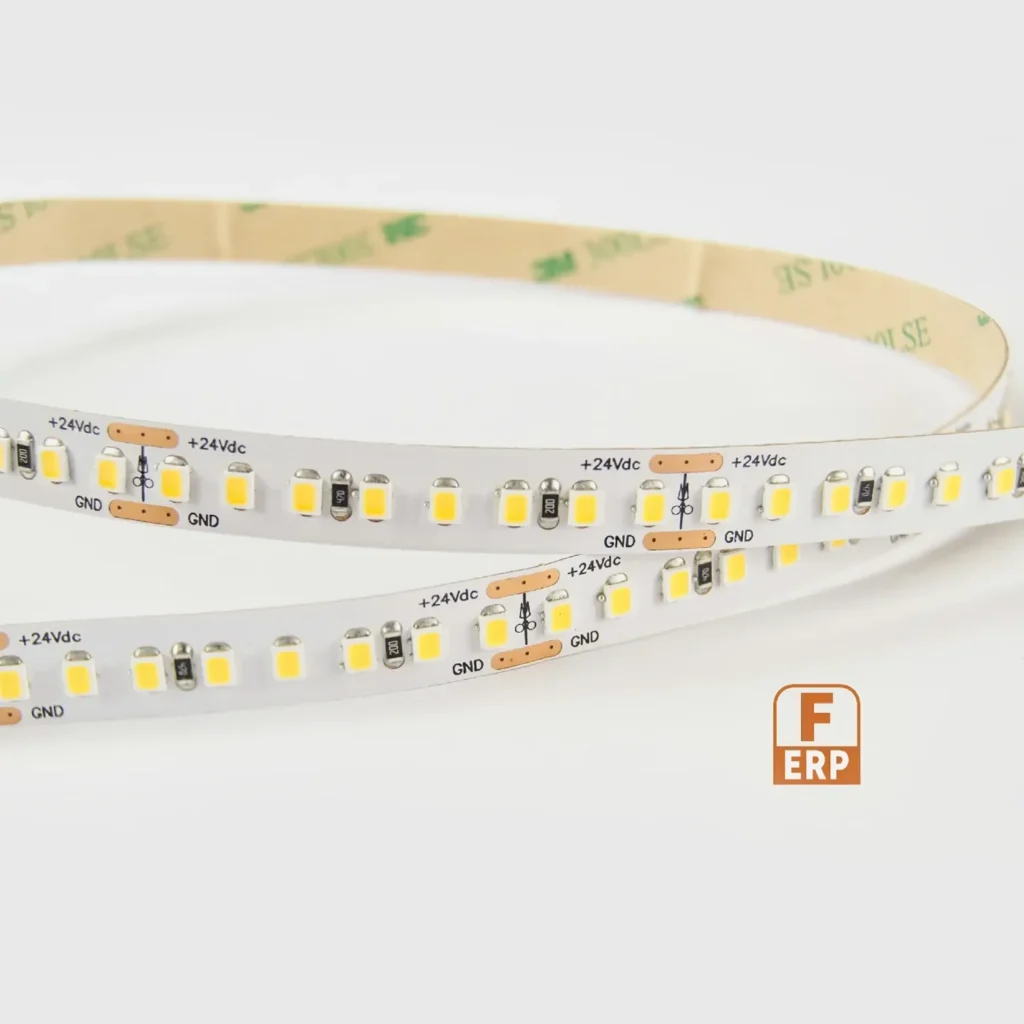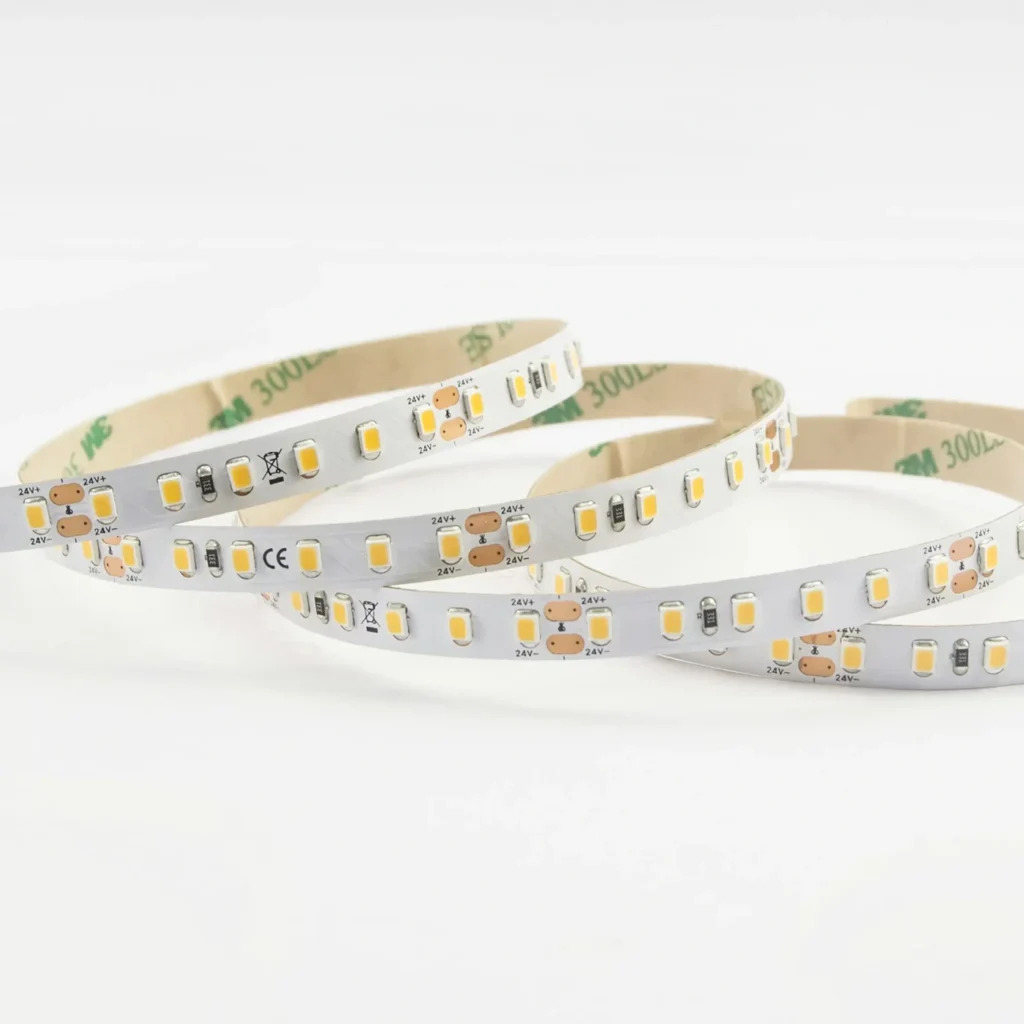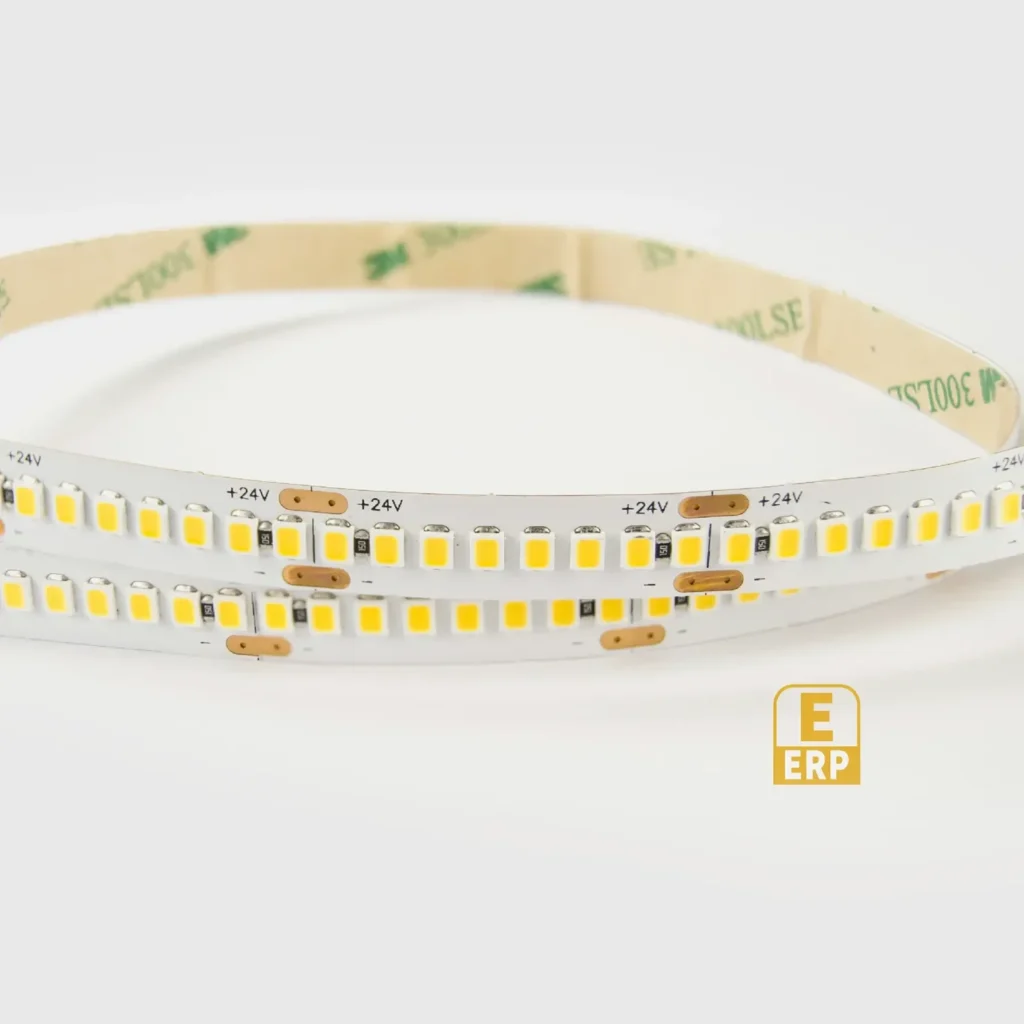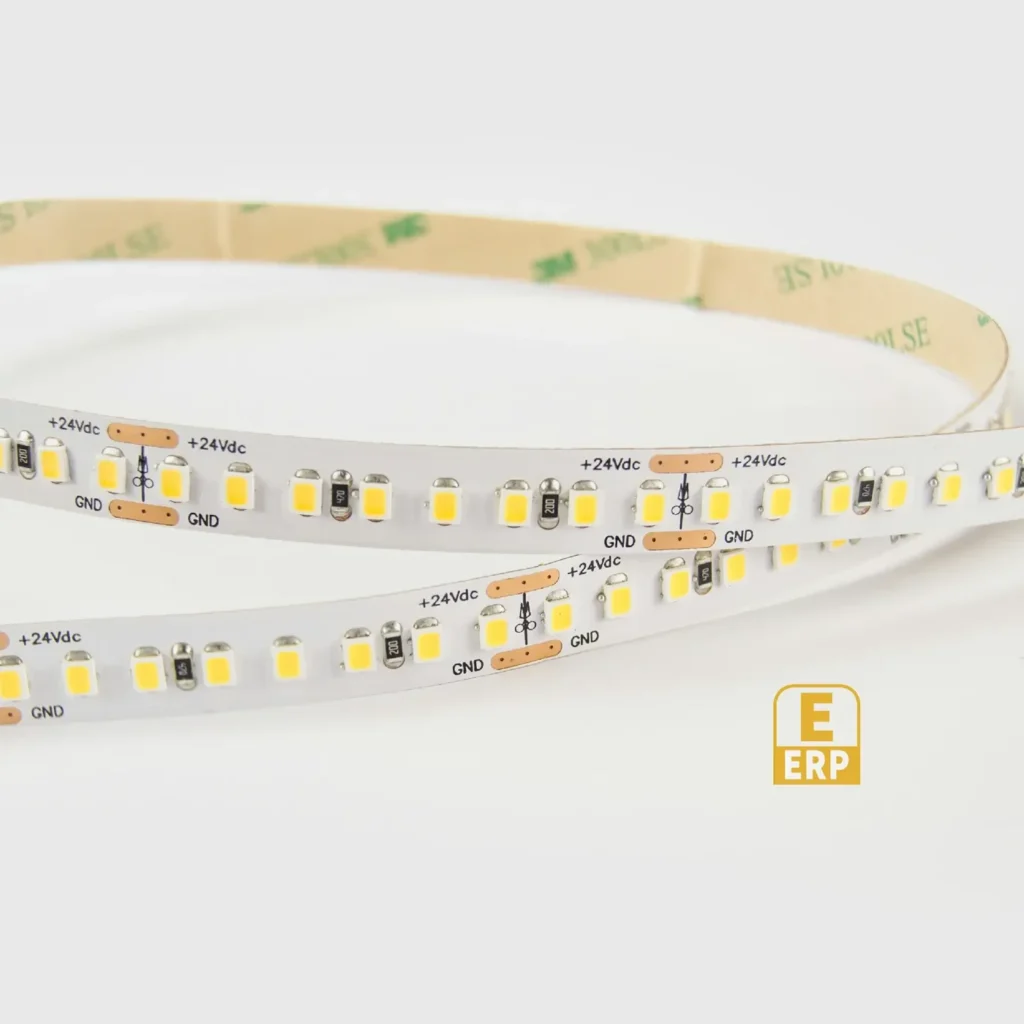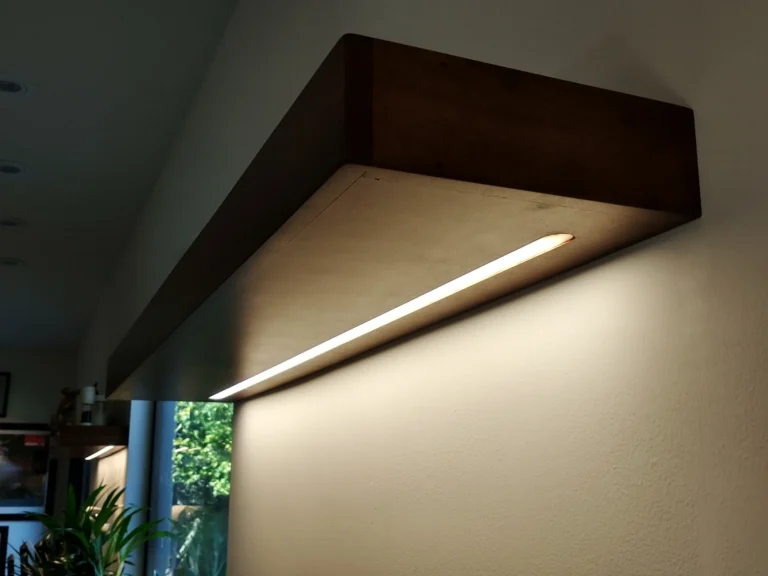
Seven checks to make on the actual assembly
| Check | Test condition | A useful recorded result |
|---|---|---|
| 1. Mechanical fit | Intended groove, connector, cover and end cap | Fits drawing revision B; connector clearance verified |
| 2. Workmanship | Ends, lead wires, adhesion and handling condition | End treatment needs revision before release |
| 3. Useful distribution | Real shelf/worktop with its contents | Front task area remains insufficiently lit |
| 4. Source appearance | Normal direct and reflected sightlines | Reflected emitters visible in polished stone |
| 5. Colour appearance | Intended finish and room-lighting scene | 3000K selected; tint concern still unresolved |
| 6. Control operation | Actual controls, startup and low output | Lowest acceptable setting recorded; restart behaviour checked |
| 7. Sample identity | Component list, drawing and label | All references match the submitted assembly |
The examples above demonstrate useful record language. They are not results from tests conducted by BEXLIGHTING.
Separate observations from diagnoses
“Reflected dots visible” is an observation. “The LED is defective” is a diagnosis that the observation alone may not support. Keep the sample and change the relevant optical or mounting variable before deciding what caused the effect.
Likewise, a visually acceptable sample is not evidence of service life, final electrical compliance or performance in every environment. Define the separate evidence the contract requires.
End with a decision, not a photo folder
For each check, choose accepted, revise, or pending evidence. Name the approver and attach the component revision. A revised sample should reference the previous issue so the buyer can tell what changed.
Use the sample-approval guide for the full acceptance record. This short article is the inspection checklist; it should not repeat that guide’s entire document-control workflow.